banner

Master Salesforce Apex

Mastering Salesforce Apex – A 10-Part Blog Series

Your Ultimate Guide to Learning Apex Programming in Salesforce

Apex is Salesforce’s proprietary programming language designed for building custom, scalable business logic directly on the Salesforce platform. Whether you’re an aspiring developer or a Salesforce Admin looking to level up, this blog series is your structured, beginner-friendly path to mastering Apex from the ground up.

This page is your central hub for everything related to our Apex Blog Series – from tutorials and best practices to expert tips and hands-on coding examples. As we publish more content, this space will continue to grow with new blogs, downloadable resources, and helpful walkthroughs tailored to both beginners and rising developers in the Salesforce ecosystem.

💡 Why Learn Apex?

In the world of Salesforce, Apex is your gateway to serious development power. It allows you to write custom logic, automate processes, integrate with external systems, and build advanced features that go far beyond what’s possible with just declarative tools like Flows or Process Builder.

Here’s why learning Apex is a smart move:
  • Stay relevant by mastering Salesforce’s core programming language.
  • Boost your career by moving into technical Salesforce roles.
  • Automate business processes that Flows can’t handle.
  • Build complex integrations using REST and SOAP APIs.
  • Create reusable code with custom classes, methods, and triggers.
  • Develop problem-solving skills that prepare you for real-world Salesforce development challenges.

Whether you’re looking to become a Salesforce Developer or simply want to deepen your technical skills, this series will set you on the right track.

What You’ll Learn in This Series

Our 10-part Apex blog series is designed to walk you through the journey of becoming comfortable with Apex – from setup to advanced topics like batch processing and testing.

Series Breakdown:

  • What is Apex?

    An introduction to the language, its role in Salesforce, and when to use it.

  • Setting Up Your Salesforce Environment for Apex

    Learn how to get started with Developer Edition, Dev Console, and VS Code with Salesforce CLI.

  • Apex Programming: Understanding Syntax, Data Types and Variables

    Dive into the basics of writing Apex code, declaring variables, and working with data types.

  • Control Structures in Apex: How to Use If-Else and Loops

    Learn the flow of logic using conditional statements and loops to control execution.

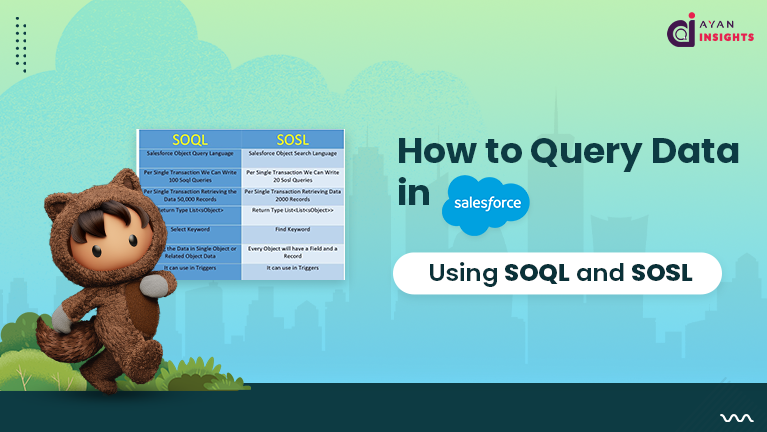
  • How to Query Data in Salesforce Using SOQL and SOSL

    Master the art of retrieving records using Salesforce Object Query Language and Search Language.

  • DML Operations and Exception Handling in Apex

    Understand how to insert, update, delete records—and gracefully handle errors with try-catch blocks.

  • How to Create and Use Apex Classes, Methods and Constructors

    Explore object-oriented programming in Apex to write clean, reusable code.

  • Introduction to Apex Triggers: Automating Actions in Salesforce

    Use triggers to automate logic during insert, update, or delete events.

  • Advanced Apex: How to Use Batch Apex and Scheduled Jobs

    Learn about handling large volumes of data and scheduling jobs in Apex.

  • Apex Testing and Debugging: Best Practices for Salesforce Developers

    Gain confidence by writing test classes, achieving code coverage, and using debug logs effectively.

Who Is This Apex Series For?

  • Salesforce Admins who want to transition into development
  • Beginners preparing for the Salesforce Platform Developer I exam
  • Salesforce Developers who need a structured refresher
  • Technical consultants or professionals working with Salesforce who want to write custom logic

Start Your Apex Journey Now

Bookmark this page and follow along as we release each blog in the series. Whether you’re learning to pass a certification or aiming to become a full-time Salesforce Developer, this is your launchpad into Apex.

What Is Salesforce Apex? A Beginner’s Guide

Greetings on this 1st day of the 10 day apex series! On the first day you’re going to learn about the basics of Apex. What is Salesforce Apex? Apex is a dedicated programming language created by Salesforce. It lets you write custom instructions (or “code”) that run on Salesforce servers. These instructions help control how […]

Read More

1093 Views

How to Set Up Your Salesforce Environment for Apex

Welcome to Day 2 of your Apex learning journey! Today, we will guide you through setting up your Salesforce Developer Org, introduce the Salesforce Setup and Developer Console, and explore basic navigation and key features of the Developer Console. We will also explain how to create Apex classes and triggers, view logs, and run tests. […]

Read More

768 Views

Apex Programming: Syntax, Data Types and Variables

On Day 2, we explored how to set up the Salesforce environment for Apex. Now, on Day 3, we’ll talk about Apex syntax, data types, and variables. Introduction to Apex Syntax Apex is a strongly typed, object oriented programming language that allows us to execute flow for business processes and enhance processes on Salesforce servers […]

Read More

1083 Views

Control Structures in Apex: How to Use If-Else and Loops

Welcome to day 4 of the 10 day Apex series. When starting initially into Apex programming, We noticed that a strong and basic understanding of control structures is required to create efficient and useful code. In this blog, I will share some basic examples of using conditional statements and loops in Apex. We will cover […]

Read More

726 Views

How to Query Data in Salesforce Using SOQL and SOSL

Welcome to day 5 of the 10 day Apex series. In this blog, we will walk through the basics of powerful query language, share some examples and explain when to use each of them. Whether you are just starting out or need a refresher on querying data in Salesforce, this blog is designed to be […]

Read More

726 Views

DML Operations and Exception Handling in Apex

Welcome to day 6 of the 10 day Apex series. Working with data is essential and required for any Salesforce Developer. Learning how to insert, update, delete, undelete and merge records and how to handle errors that might come up during these operations to understand it is very helpful. In this blog, we will learn […]

Read More

674 Views

How to Create and Use Apex Classes, Methods and Constructors

Welcome to day 7 of the 10 day Apex series. In the previous article we have seen how to work with DML Operations and Exception Handling in apex. Now In this blog we will talk about Create and Use Apex Classes, Methods and Constructors. Apex is a strongly typed, object-oriented programming language that enables us […]

Read More

845 Views

Getting Started with Apex Triggers in Salesforce

Welcome to day 8 of the 10 day Apex series. In the previous article we have seen how to Create and Use Apex Classes, Methods and Constructors in apex. Now In this blog we will talk about Apex Triggers. Apex triggers are an important feature in Salesforce that permit for automatic execution of custom actions […]

Read More

724 Views

Introduction to Batch Apex and Scheduled Jobs in Salesforce

Welcome to day 9 of the 10 day Apex series. In the previous article we have seen Automating Actions in Salesforce using Apex Triggers. Now In this blog we will talk about Batch Apex and Scheduled Jobs. As applications will start growing in complexity and we will require processing of large datasets or performing frequent […]

Read More

931 Views

Mastering Apex Testing and Debugging in Salesforce

Welcome to the last day of the 10 day Apex series. In the previous article we have seen Use of Batch Apex and Scheduled Jobs. Now In this blog we will talk about Apex Testing and Debugging. In Salesforce development, making sure that our Apex code executes as specified is critical for maintaining a proper […]

Read More

654 Views