What’s New: The Four Big Pieces
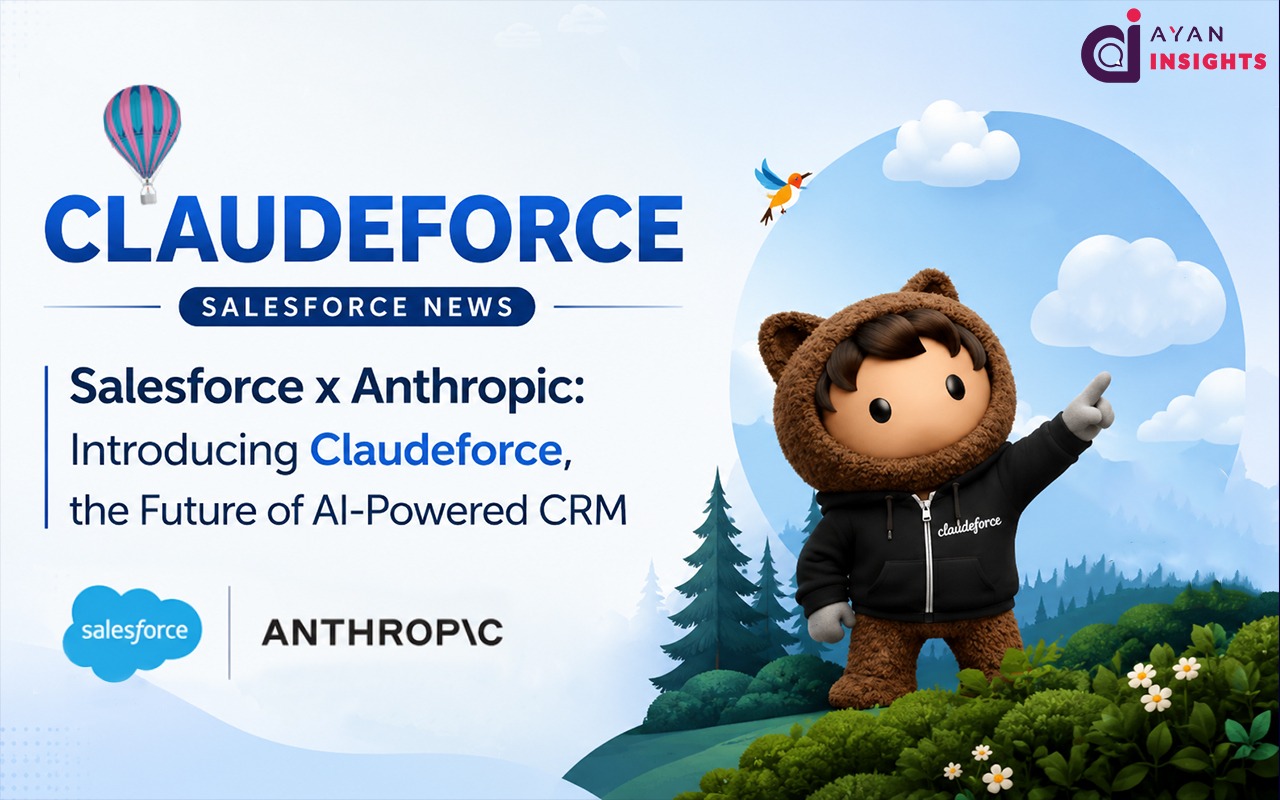
1. Salesforce Shows Up Inside Claude
The headline release is a plugin called Salesforce in Claude. It comes packed with 37 ready-made sales skills, things like meeting prep, deal health checks, and pipeline reviews. Instead of a seller jumping between five different Salesforce tabs to figure out where a deal stands, they can just ask Claude, and Claude pulls in live CRM data to answer with real context.
There’s also an onboarding step where Claude reads a seller’s existing Salesforce and Slack data and builds them a personal dashboard automatically. No blank slate, no manual setup. It shows up already knowing your accounts and pipeline.
Importantly, any action Claude takes still gets routed back through Salesforce. That means your company’s existing business rules and permissions still apply. Claude isn’t bypassing your CRM’s guardrails; it’s working through them. And setup is centralised: an admin connects it once, and the whole sales team gets access without needing individual configuration.
2. Claude Shows Up Inside Salesforce
This works both directions. Claude is now powering parts of Agentforce, Salesforce’s own agent platform. It’s the reasoning engine behind Agentforce’s Atlas system, and it’s built into Agentforce Vibes and Agentforce Coworker by default.
For companies in regulated industries like banking or healthcare, another detail matters a lot: Claude can run through Amazon Bedrock inside something called the “Salesforce Trust Boundary.” In plain terms, that means sensitive data and AI processing can stay inside a secure, compliant environment instead of leaving it.
3. Slack Becomes the Shared Workspace
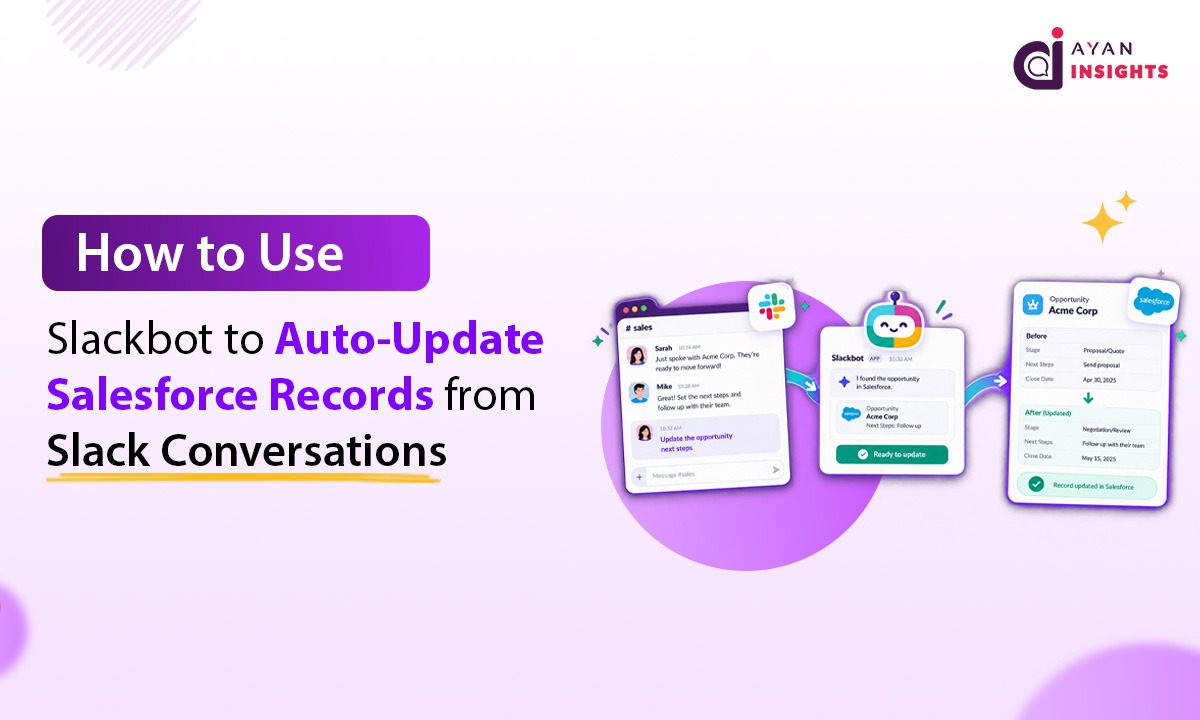
Slack is where a lot of teams already talk, plan, and make decisions. Under this partnership, Claude becomes the default AI model across Slack, running Slackbot, powering a feature called Claude Tag (so anyone can tag @Claude into a channel for help), and backing a new tool for collaborative coding called Slack Code.
The bigger idea here is workflow, not just chat. Teams discuss something in Slack, and instead of switching apps to act on it, they can trigger a governed action directly in Salesforce from right there.
4. Both Companies Are Using Each Other’s Products
This part is a nice trust signal. Salesforce isn’t just selling this partnership; it’s actually using Claude internally. Their own engineering org now runs on Claude by default, and Slackbot alone has apparently saved employees 8.1 million hours of work annually, more than double what it was doing just a quarter earlier. Meanwhile, Anthropic uses Salesforce as its own CRM. Each company is a customer of the other, not just a partner announcing a deal on paper.