A Salesforce Cloud is a collection of cloud-based applications and services designed to support a specific business function. Each cloud is built on the Salesforce platform and shares core capabilities such as security, customisation, reporting, and seamless integration.
Because all Salesforce Clouds run on a unified platform, data flows easily across teams. This ensures that sales, marketing, service, and operations always work from a single, up-to-date view of the customer.
While Salesforce offers many cloud solutions, most organizations begin with a core set of clouds and expand into industry-specific solutions as their needs grow.
With this foundation in place, let’s take a closer look at the major Salesforce Clouds and how they support different business functions.
1. Salesforce Sales Cloud
Salesforce Sales Cloud is the core of the Salesforce CRM. It enables sales organisations to develop and maintain customer relationships and close more deals in less time.
With a view of the entire prospect and customer, Sales Cloud gives sales representatives the ability to focus on the relationship instead of being bogged down with spreadsheets or cleaning up manual work. It covers the whole sales process, including lead capture, closing a deal, and forecasting.
Key capabilities include,
- Centralised account and contact management
- Lead and opportunity tracking across the sales pipeline
- Revenue forecasting and performance monitoring
- Sales automation to reduce manual effort
- Mobile access for on-the-go selling
With built-in analytics and AI-powered insights, Sales Cloud helps sales leaders make informed decisions and drive consistent revenue growth.
2. Salesforce Marketing Cloud
The Salesforce Marketing Cloud enables companies to build individualised and relevant transitions of services to customers in the digital channels. It combines email, mobile messaging, social, and digital advertising capabilities within a single platform.
With knowledge of their data and behaviour, marketing organisations can now segment their audiences and send the right message at the right time. Tools such as Journey Builder enable marketers to automatically trigger campaigns according to user behaviour, preferences and participation.
Marketing Cloud also offers performance analytics to enable teams to identify what is working and what isn’t. The result is improved engagement, increased conversions and more meaningful customer relationships.
3. Salesforce Service Cloud
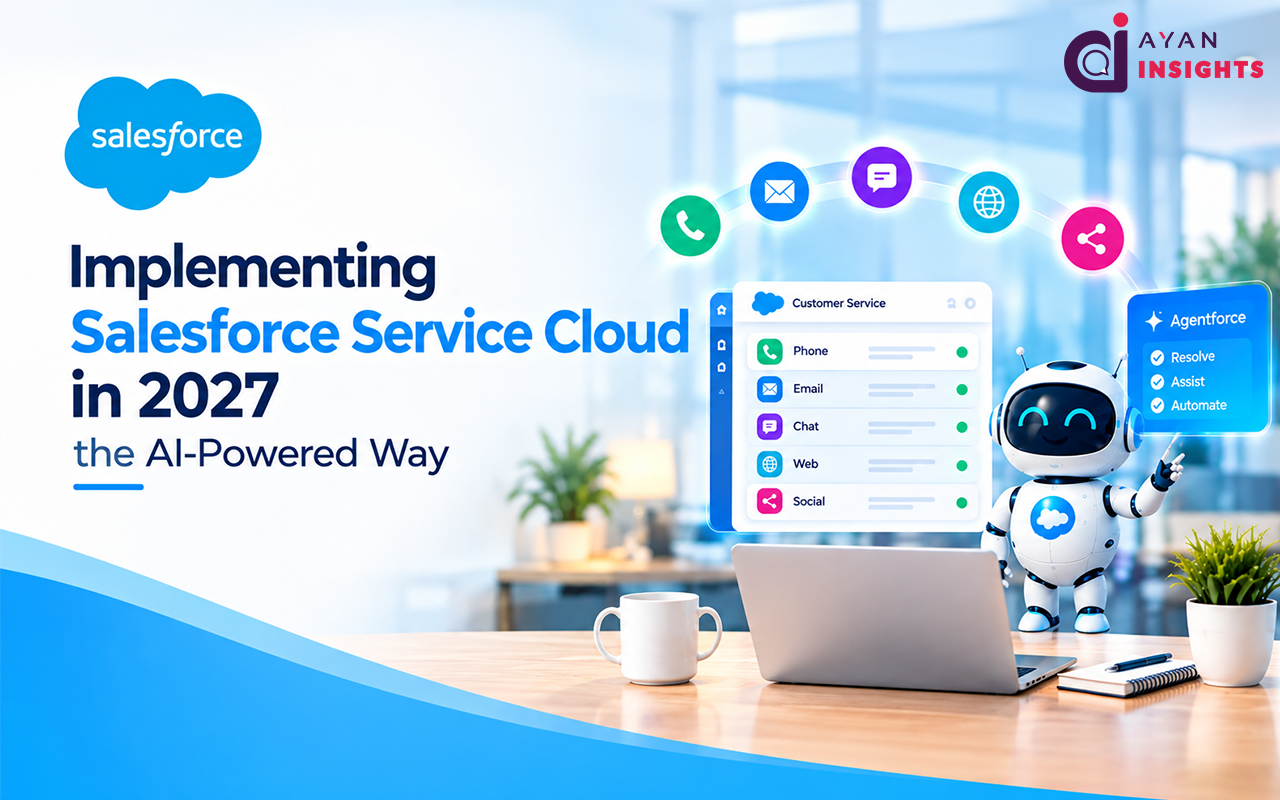
Salesforce Service Cloud was built to enable service teams to deliver fast, consistent, and high-quality service. The platform integrates all customer interactions, such as email, chat, phone, and social media , into one place.
Service Cloud enables agents to monitor cases, access customer history, and respond to issues, all while leveraging knowledge articles. Automation, AI recommendations and smart routing features contribute to decreasing response times and increasing response accuracy.
Self-service portals and chatbots enable customers to serve themselves and find answers, reducing the support workload and increasing satisfaction.
4. Salesforce Experience Cloud
Salesforce Experience Cloud allows companies to build branded digital experiences for their customers, partners, and employees. These experiences range from self-service sites and customer communities, partner networks, and internal collaboration hubs.
Experience Cloud enables businesses to share CRM data outside their internal teams, allowing external users to securely access the information and tools that are pertinent to them.
Organisations use Experience Cloud to:
- Build customer self-service portals
- Enable partner collaboration and deal management
- Share knowledge and resources through online communities
- Deliver personalised content and interactions
Since it seamlessly integrates with other Salesforce Clouds, Experience Cloud allows every interaction, internal and external, to be tied to the customer record.
5. Salesforce Commerce Cloud
With Salesforce Commerce Cloud, businesses can deliver seamless shopping experiences across web, mobile, and physical stores. It enables you to control storefronts, product catalogues, pricing and promotions with one system.
Customisation is the name of the game in Commerce Cloud. Leveraging customer data and AI, companies are able to personalise product recommendations and shopping experiences based on user behaviour.
Commerce Cloud also includes order management, inventory management, and secure payments to help e-commerce businesses grow without compromising on performance and reliability.
6. CRM Analytics (Formerly Analytics Cloud)
CRM Analytics focuses on turning data into actionable insights. It allows businesses to analyse large volumes of data through interactive dashboards and visual reports.
Users can analyse trends, monitor performance, and spot opportunities without having to be a technical expert. Predictive analytics and AI-driven insights enable organisations to make decisions more quickly and with greater knowledge.
Salesforce CRM Analytics is natively integrated with other Salesforce Clouds, and insights are embedded in daily workflows rather than separate tools.
7. Agentforce Financial Services
Agentforce Financial Services is a specialised Salesforce Cloud designed for banks, insurance providers, wealth management firms, and financial institutions. It provides a unified view of customers, financial products, and interactions, helping organisations deliver trusted and personalised financial experiences.
This cloud supports,
- Centralised customer and household data management
- Personalised financial recommendations
- Secure data handling and compliance
- Streamlined onboarding and service processes
Agentforce Financial Services enables financial institutions to connect their advisors, agents, and customers on a single platform to foster enduring relationships of trust and understanding.
8. Salesforce Health Cloud
Salesforce Health Cloud is built for healthcare organisations that need to manage patient data and care experiences securely and efficiently. It brings together information from multiple sources, including electronic health records and care systems.
Healthcare providers can leverage Health Cloud to collaborate on care, monitor the patient journey, and enhance communication among providers. Patient engagement tools and portals empower patients to obtain information and participate in their care.
Health Cloud enables personalised care plans and meets stringent data privacy and compliance standards, making it the right choice for healthcare today.